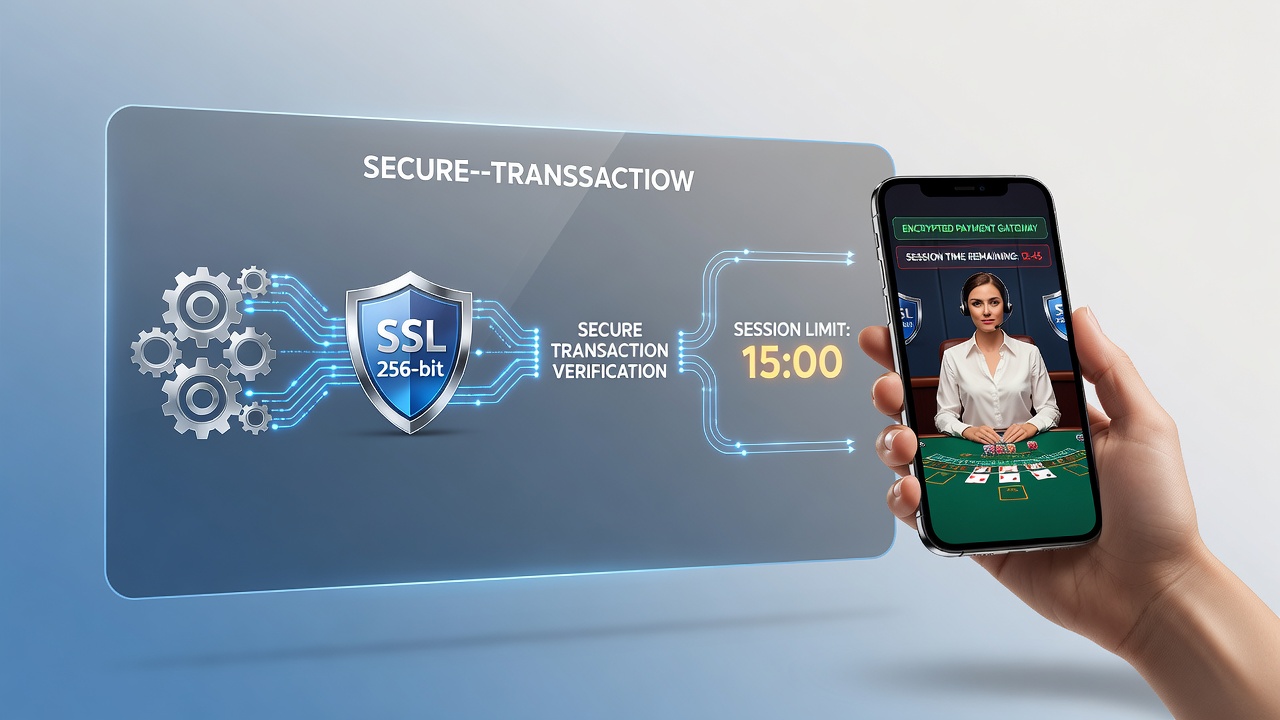
The Interplay Between Transaction Security Features and Session Limits in Mobile Live Dealer Environments
Transaction security features and session limits operate together in mobile live dealer environments where real-time video streams connect players to dealers while financial exchanges occur through encrypted channels. Data indicates these elements shape how platforms manage both player protection and operational flow, with security protocols often triggering or adjusting time-based restrictions during active sessions. Observers note that as mobile usage grows, the technical integration between these systems becomes more pronounced, especially in setups that handle instant deposits, withdrawals, and ongoing bets without interrupting the live experience.
Core Transaction Security Mechanisms
Encryption standards such as TLS 1.3 protect data streams between mobile devices and backend servers, while tokenization replaces card details with unique identifiers that expire after each transaction. Multi-factor authentication, including biometric checks like fingerprint or facial recognition, adds layers that verify user identity before funds move. Research from industry reports shows these measures reduce unauthorized access attempts by significant margins across live dealer platforms, and they frequently log activity in ways that feed directly into session monitoring tools. In August 2026, updates to authentication protocols are expected to align more closely with emerging mobile operating system requirements, allowing seamless verification without pausing gameplay.
Session Limit Frameworks
Session limits typically include time caps, deposit thresholds, and loss boundaries that platforms enforce through automated timers and alerts. These controls activate once a player logs into a live dealer table and track cumulative activity across multiple rounds of games such as blackjack or roulette. Figures from regulatory summaries reveal that many jurisdictions require operators to implement configurable limits that players can adjust, yet the system itself must override when predefined thresholds are reached. The result ties financial activity directly to duration, creating checkpoints where security features re-verify identity before extending play.
How Security and Limits Interact on Mobile Devices
Security features often serve as gateways that session limit systems rely upon, because each verification step provides fresh data points for tracking. When a transaction attempt occurs near a session boundary, the platform may require re-authentication that simultaneously resets or extends the timer only after compliance checks pass. Experts have observed that this linkage prevents rapid successive deposits during extended sessions, while biometric prompts can interrupt play naturally without abrupt disconnection from the live dealer feed. Mobile environments amplify these dynamics due to variable network conditions, where dropped connections might trigger automatic session pauses that security logs then analyze for potential anomalies.
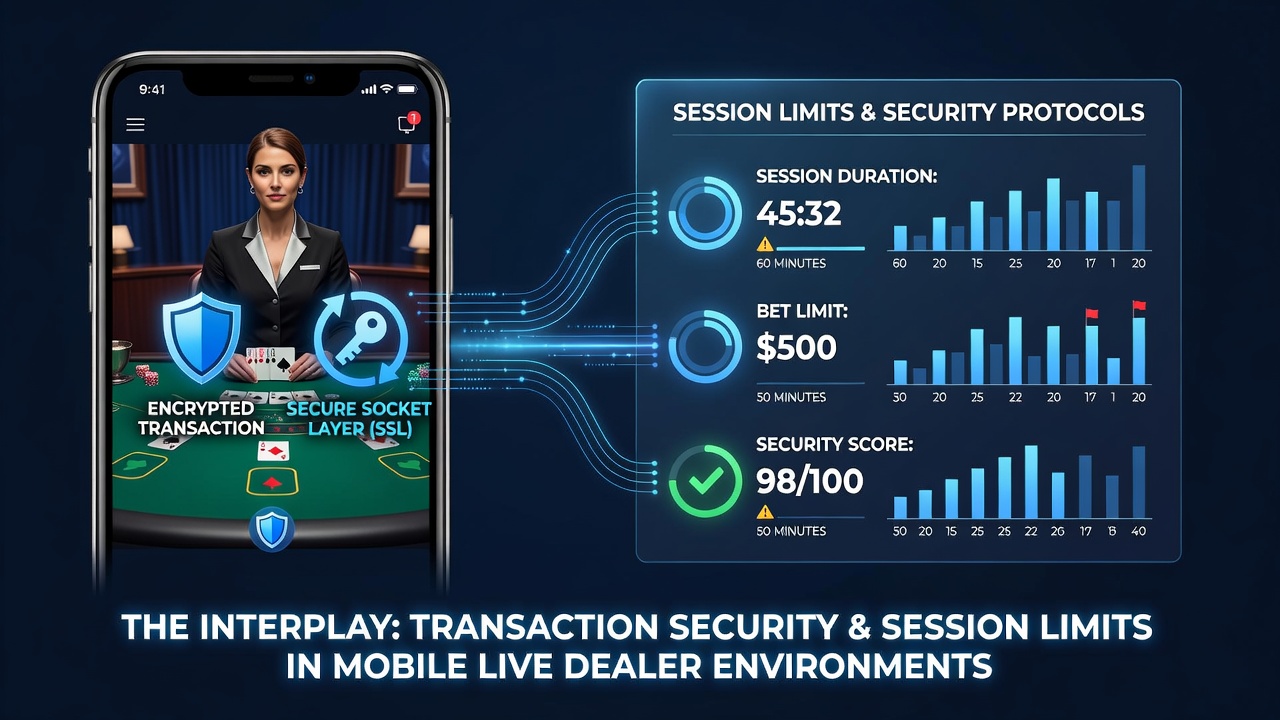
One documented case involved a platform where repeated small transactions within a short window activated both fraud detection algorithms and a nearing session cap, forcing a mandatory cooling period before further activity. Such scenarios demonstrate how the two systems reinforce each other rather than operate in isolation, and data from similar deployments indicates fewer disputed transactions when limits and security checks align this way. What's interesting is the way chat functions in live dealer rooms remain active during these pauses, allowing players to stay engaged without placing new bets.
Regulatory and Technical Considerations
Standards set by bodies like the European Gaming and Betting Association emphasize that transaction logging must support both security audits and responsible gambling enforcement, creating a shared data environment. Platforms operating across regions also reference guidelines from Canadian authorities, where mobile-specific rules require session data to inform limit calculations in real time. Technical implementations vary, yet most rely on API connections that pass verification status from security modules straight to limit engines, reducing latency during live streams. As of mid-2026 preparations, several operators report testing unified dashboards that display both security status and remaining session allowances side by side for player transparency.
Conclusion
The interplay between transaction security features and session limits continues to evolve within mobile live dealer environments as platforms refine how verification steps and time-based controls share information. Evidence shows these integrated approaches support smoother operations while maintaining required safeguards, particularly when mobile hardware capabilities advance. Observers continue to track developments that link these systems more tightly, especially ahead of scheduled protocol updates in August 2026.